|
Rebecca’s Sixth Newsletter!͏ ͏ ͏ ͏ ͏ ͏ ͏ ͏ ͏ ͏ ͏ ͏ ͏ ͏ ͏ ͏ ͏ ͏ ͏ ͏ ͏ ͏ ͏ ͏ ͏ ͏ ͏ ͏ ͏ ͏ ͏ ͏ ͏ ͏ ͏ ͏ ͏ ͏ ͏ ͏ ͏ ͏ ͏ ͏ ͏ ͏ ͏ ͏ ͏ ͏ ͏ ͏ ͏ ͏ ͏ ͏ ͏ ͏ ͏ ͏ ͏ ͏ ͏ ͏ ͏ ͏ ͏ ͏ ͏ ͏ ͏ ͏ ͏ ͏ ͏ ͏ ͏ ͏ ͏ ͏ ͏ ͏ ͏ ͏ ͏ ͏ ͏ ͏ ͏ ͏ ͏ ͏ ͏ ͏ ͏ ͏ ͏ ͏ ͏ ͏ ͏ ͏ ͏ ͏ ͏ ͏ ͏ ͏ ͏ ͏ ͏ ͏ ͏ ͏ ͏ ͏ ͏ ͏ ͏ ͏ ͏ ͏ ͏ ͏ ͏ ͏ ͏ ͏ ͏ ͏ ͏ ͏ ͏ ͏ ͏ ͏ ͏ ͏ ͏ ͏ ͏ ͏ ͏ ͏ ͏ ͏ ͏ ͏ ͏ ͏ ͏ ͏ ͏ ͏ ͏ ͏ ͏ ͏ ͏ ͏ ͏ ͏ ͏ ͏ ͏ ͏ ͏ ͏ ͏ ͏ ͏ ͏ ͏ ͏ ͏ ͏ ͏ ͏ ͏ ͏ ͏ ͏ ͏ ͏ ͏ ͏ ͏ ͏ ͏ ͏ ͏ ͏ ͏ ͏ ͏ ͏ ͏ ͏ ͏ ͏ ͏ ͏ ͏ ͏ ͏ ͏ ͏ ͏ ͏ ͏ ͏ ͏ ͏ ͏ ͏ ͏ ͏ ͏ ͏ ͏ ͏ ͏ ͏ ͏ ͏ ͏ ͏ ͏ ͏ ͏ ͏ ͏ ͏ ͏ ͏ ͏ ͏ ͏ ͏ ͏ ͏ ͏ ͏ ͏ ͏ ͏ ͏ ͏ ͏ ͏ ͏ ͏ ͏ ͏ ͏
Hi Plant People,Happy Snow Moon! Did you know that the full moon is six times brighter than a half moon? It’s twice the size of course, but because the sun shines directly on the moon, rather than at an angle, more of the reflected light shines down on Earth. Like many things, I learned this on Twitter. -- This past October, I participated in the Cultural Landscape Foundation’s Courageous By Design Conference and it was one of the most inspirational gatherings I’ve been to in ages. There were all these rockstar women, not just talking about how to use landscape architecture to save the planet, but also sharing their techniques to do so. Kate Orff presented on how landscape architects were well positioned to address climate change, but lamented that the scale of their projects, despite literally reimagining the Mississippi river, is often too small. Martha Schwartz made the case for centering NYC infrastructure as a necessity rather than a commodity, replacing street tress with actual forests. I gave a short presentation on landscape stewardship for wildlife and was thrilled to be on a panel with Barbara Wilks and Edwina von Gal, who also spoke on biodiversity. Overall, I was struck by how different it was from a typical conference: these women discussed their failings, what inspires them to keep going while mired in climate grief, and used their platforms to call for collective action. The entire conference can be viewed here.
|
|
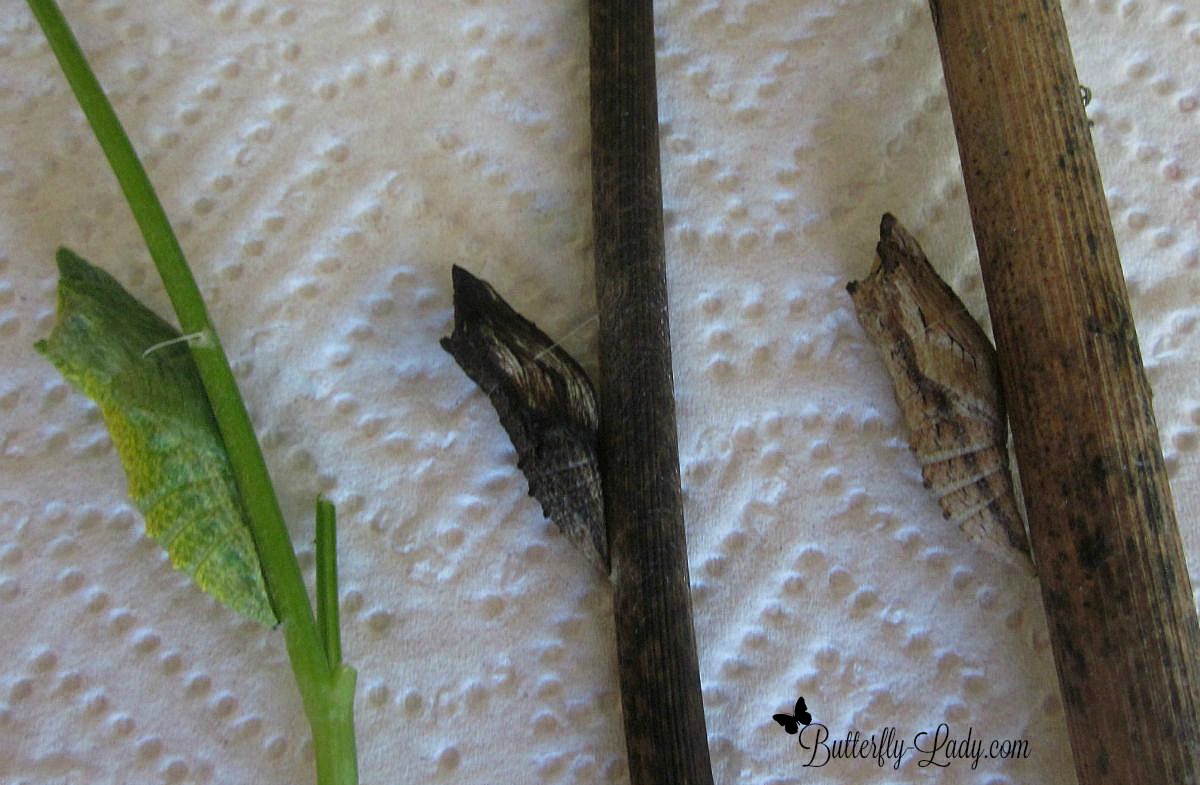
Do you wonder where our bees and butterflies are right now? Under the snow and in the cold? As you know, some butterflies like Monarchs migrate south but this is actually quite rare. Some butterflies overwinter as eggs tucked away in bark crevices or under duff. Morning Cloak butterflies overwinter as adults, snuggled in shelters but sometimes flying on warm winter days. Swallowtails overwinter as a chrysalis, matching the color of the substrate they’re attached to. But most butterflies overwinter as caterpillars near their host plants, ready to start eating in spring, like the Pearl Crescent under the basal rosette of Smooth and Heath Asters. Or the Great Spangled Fritillary, who only starts eating when violet leaves start emerging. As you can see, there are many reasons not to clean up our gardens. Bees don’t migrate. Unlike butterflies, they care for their young and are thus tied spatially to their nests. To overwinter, bees find little shelters called ““hibernacula” (new word alert!). Stem nesting bees usually overwinter in stems (don’t cut them back!) while many other bees overwinter in duff, rotting wood, or piles of debris. Some overwinter in their nests underground, like cellophane bees, ready to emerge in early spring with the blooming of early flowers. This info was brought to you by the good folks at the Tufts Pollinator Initiative, and their articles on butterflies and bees in winter.
|
|
Woo hoo! Mt Cuba just came out with a new report from their plant trials! They looked at 3 native Hydrangeas, but focused on Hydrangea arborescence. Cultivars were assessed ornamentally and ecologically. Marvelous info abounds but the big takeaway was: ‘Haas Halo’ is the best looking cultivar with high pollinator visitation. Lacecaps had higher insect visitors than mopheads because lacecaps have an abundance of fertile flowers in the center, providing pollen and nectar to visitors. Mophead flowers like ‘Annabelle’ and ‘Incrediball’ have flower heads made up of mostly sterile, showy bracts that attract a lot of attention (much of it from us) but don’t provide food. Here is quick visual explainer, but ‘Haas Halo’ is the best of both worlds. Of course hydrangeas aren’t just a buffet for hungry bees. They also provide homes to stem-nesting bees and food for the caterpillars who eat their leaves. When considering how to support the bees and moths that use hydrangea as their nesting and host plant, I found that it made for a solid illustration of how to do the work of ecological horticulture. So I wrote a blog post! It covers the resources I used and the steps I took with the hope that you might use them in your practice. (If anyone wants me to write this up properly, I’d be happy to. And if you have other resources to share, please let me know.)
|
Ultra-violet patterns on flowers attract pollinators, sometimes even telling them where to land. But these pigments can also help the plants themselves, reflecting sunlight away from the flower (or fruit) and acting as a sunscreen. Now, research have found that sunflowers who grow in drier climates have larger UV bullseyes, protecting the entire plant from loosing water. We now have abundant research to show that honey bees can outcompete and spread disease to native bees, especially when floral resources are low, like in cities. A new Swiss study in Nature looked at 14 cities and found that none of the cities had enough green space to incorporate the booming number of hives. In New York City, we would love to make a similar assessment but we don’t even know how many hives are in the city, as they’re functionally unregulated. Stay tuned for future campaigns to change that.
You should stop using peat moss. You should tell your friends to stop using peat moss. But what are you supposed to use instead? The inimitable Margaret Roach lays out our options in her NYT column. Urban green space has a profound effect on people’s sense of connectivity. Loneliness is an epidemic in the United States, one with serious health implications. I’d argue that this has more to do with capitalism and liberalism than public park access but nonetheless, plants can help! In cities, researchers found that “feelings of overcrowding increased loneliness by an average of 39%. But when people were able to see trees or the sky, or hear birds, feelings of loneliness fell by 28%. Feelings of social inclusion also cut loneliness by 21%, and when these feelings coincided with contact with nature the beneficial effect was boosted by a further 18%.” More here. Researchers now estimate that there are 73,300 species of trees on planet Earth. That’s 9,000 more than we currently know, and assumes that many of the unnamed trees are hidden in jungles. Interestingly, less that 1,200 of those trees are gymnosperms (like conifers & ginkgos), proving once again that flowers are awesome. Every year, the evolution of flowers is pushed back another few million years. Researches found a 164 million year old flower bud, and now believe flowers may have first appeared more than 200 million years ago, which moves flowers back before Cretaceous and into the Jurassic! MAGA chuds have pizza-gated the National Butterfly Center. After the Texas Center refused to allow the boarder wall on its property, there was a campaign to convince violent and insane people that children were being harmed there. The Center closed this month in order to keep employees and visitors safe. Apparently diesel exhaust fumes bother everyone, bees included. A new study out of the UK found that, not only do diesel fumes chemically alter many floral scents, but that pollination decreased by >30% in test plants when common ground level air pollutants were present. They also saw up to 70% fewer pollinators and up to 90% fewer flower visits, proving once again that we need to get cars out of our cities. Many are reporting on the “100 fold” increase in overwintering western Monarch populations and it is totally good news! But it’s not great news. This year’s increase to 250,000 individuals is wonderful considering last year’s historic low of 2,000, but we’re still a far cry away from the millions of monarchs seen in California in the 1990s. Xerces Society warns that accepting crashed populations as new baselines can normalize tragedy. Want to help? Tell your member of Congress to pass the MONARCH Act here. It takes 5 seconds.
|
Wild Ones February 16, 2022 7:00PM - 8:30 PM Free, virtual, and open to the public. I am excited to speak about Brooklyn Bridge Park’s ecological work to Wild Ones, an organization that provides resources and lectures to garden for biodiversity. Join your local chapter! Inviting Biodiversity Into Our Gardens Symposium February 23, 2022 1:00PM - 4:00PM Free, virtual, and open to the public. I am looking forward to speaking alongside everyone’s favorite garden wizard, Roy Diblik at this free event. The whole lecture series is generously hosted by the Cleveland Pollinator & Native Plant Symposium among others. All future and past lectures can be found online here.
"Ethel Earley-Clark—Unearthing the History of African American Garden Clubs in America" February 24, 2022 2:00PM - 3:00PM Virtual and open to the public. This Garden Conservancy webinar looks fantastic. Wambui Ippolito, Abra Lee, and Shaun Spencer-Hester discuss the history of Black garden clubs and their role in civic engagement. ELA’s 28th Annual Conference & Eco-Marketplace February 23-24, 2022 9:00AM - 3:30PM Virtual and open to the public. This conference is an institution, helping us care for the land for nearly 3 decades. Wednesday focuses on pollinators and Thursday on ecological horticulture in general. Don’t miss the knowledgeable (and cute!) Christopher Roddick as he shares practices for designing with and around trees. Botany Story Slam! February 26, 2022 6:00PM - 8:00PM Virtual and open to the public. Join me, a bunch of plant explorers and florists as we talk about the plants that changed our lives! Hosted by Uli Lorimer and the Native Plant Trust, I think this will be a fun night. The Insect Fear Film Festival! February 26, 2022 5:00PM - 10:00PM Free, virtual, and open to the public. This might be the coolest thing I’ve ever seen. It’s an insect event that includes a film festival of the exaggerated scenes in movies of people getting stung, an insect art contest for kids & adults, and a lecture by Justin Schmidt, yes, THE Justin Schmidt who created the Schmidt Sting Pain Index. The actual event in Arizona will host “live stinging demonstrations.” Amazing.
Best Practice for Pollinators Conference March 1-3, 2022 9:00AM - 2:00PM Virtual and open to the public. This 3-day pollinator conference looks fantastic. It will host folks from Xerces and NWF, as well as ecologists and conservation land managers all discussing pollinators, their health, and how to manage land to support them.
Native Plant Society of New Jersey Conference March 5, 2022 9:00AM - 4:00PM Free, virtual, and open to the public. I will speak about Brooklyn Bridge Park and urban biodiversity alongside lectures by Doug Tallamy, Jay Kelly, and Don Torino at this conference for the NPSNJ. Hardy Plant Society March 19, 2022 10:00AM - 12:30PM Virtual and open to the public. I’ll be speaking on Brooklyn Bridge Park alongside the fabulous Kelly Norris, as he presents on “New Naturalism.”
|
|
|
|