|
Surviving TED, spring cutback, and of course flowers͏ ͏ ͏ ͏ ͏ ͏ ͏ ͏ ͏ ͏ ͏ ͏ ͏ ͏ ͏ ͏ ͏ ͏ ͏ ͏ ͏ ͏ ͏ ͏ ͏ ͏ ͏ ͏ ͏ ͏ ͏ ͏ ͏ ͏ ͏ ͏ ͏ ͏ ͏ ͏ ͏ ͏ ͏ ͏ ͏ ͏ ͏ ͏ ͏ ͏ ͏ ͏ ͏ ͏ ͏ ͏ ͏ ͏ ͏ ͏ ͏ ͏ ͏ ͏ ͏ ͏ ͏ ͏ ͏ ͏ ͏ ͏ ͏ ͏ ͏ ͏ ͏ ͏ ͏ ͏ ͏ ͏ ͏ ͏ ͏ ͏ ͏ ͏ ͏ ͏ ͏ ͏ ͏ ͏ ͏ ͏ ͏ ͏ ͏ ͏ ͏ ͏ ͏ ͏ ͏ ͏ ͏ ͏ ͏ ͏ ͏ ͏ ͏ ͏ ͏ ͏ ͏ ͏ ͏ ͏ ͏ ͏ ͏ ͏ ͏ ͏ ͏ ͏ ͏ ͏ ͏ ͏ ͏ ͏ ͏ ͏ ͏ ͏ ͏ ͏ ͏ ͏ ͏ ͏ ͏ ͏ ͏ ͏ ͏ ͏ ͏ ͏ ͏ ͏ ͏ ͏ ͏ ͏ ͏ ͏ ͏ ͏ ͏ ͏ ͏ ͏ ͏ ͏ ͏ ͏ ͏ ͏ ͏ ͏ ͏ ͏ ͏ ͏ ͏ ͏ ͏ ͏ ͏ ͏ ͏ ͏ ͏ ͏ ͏ ͏ ͏ ͏ ͏ ͏ ͏ ͏ ͏ ͏ ͏ ͏ ͏ ͏ ͏ ͏ ͏ ͏ ͏ ͏ ͏ ͏ ͏ ͏ ͏ ͏ ͏ ͏ ͏ ͏ ͏ ͏ ͏ ͏ ͏ ͏ ͏ ͏ ͏ ͏ ͏ ͏ ͏ ͏ ͏ ͏ ͏ ͏ ͏ ͏ ͏ ͏ ͏ ͏ ͏ ͏ ͏ ͏ ͏ ͏ ͏ ͏ ͏ ͏ ͏ ͏ ͏
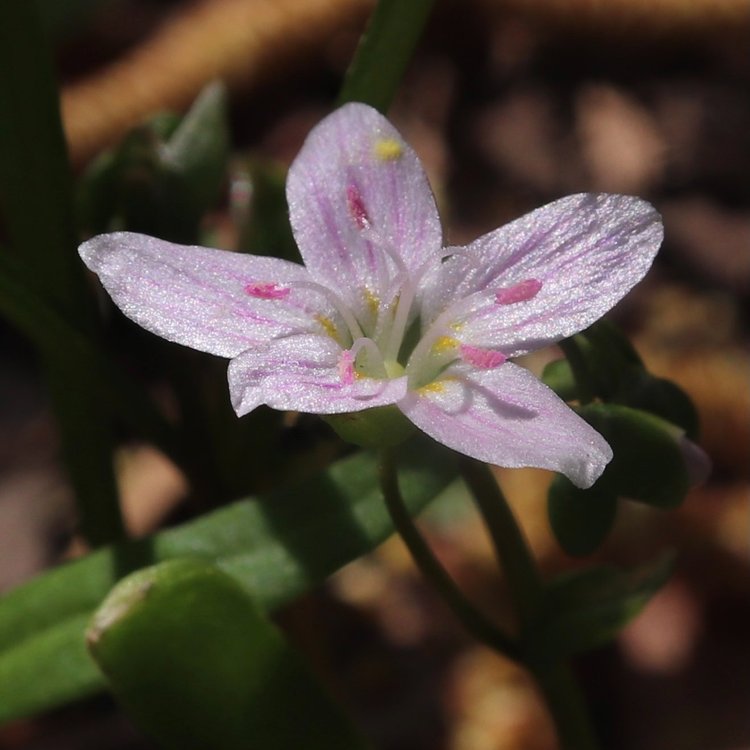
Hi Plant People,Happy Pink Moon! This April full moon is one of the best. It’s named for Phlox subulata, the humble Moss Phlox, which I imagine used to cover far vaster swaths of the northeast to warrant a moon name. Can you imagine? Life here has been interesting! The TED talk published. I entered a sort of wonderful wind tunnel, trying to keep up with life. Only partially successful, I’ve been overjoyed to see how the talk resonated with people. Many hundreds of gardeners shared that it’s helping them explain their work to others, and that means the world. I also got to hear from the anti-ecological-gardening contingent! After a clip went viral on Instagram, I read many comments from people absolutely terrified of leaving leaves and letting lawns grow long. Ticks were the big concern, but rats, raccoons, and snakes were also mentioned. Which was fascinating given how little leaves and long grasses support these animals, in the Northeast at least. So I gave up any semblance of coolness I had left and learned how to make an IG reel about deer ticks. It seemed to help! Perhaps more of us could dig into research and help people garden safely? There is clearly a need. Anyway, welcome thousands of new subscribers! Mostly this newsletter focuses on resources and gossip for professional ecological gardeners. I will add in some info for new-bees as well but hang on tight, it’s action packed!
|
|
It’s finally time for cutback in the northeast so let’s get to it: The Garden Mullet: Can you clean up just the front of your garden and let the back stay undisturbed? If your garden is deep or wild enough, perhaps the back doesn’t need cutback after-all? Maybe every other year? Of course it depends on your plants and context but a foot or two of cutback and mulch on the front edge can make a wild garden look neat. Chop & Drop: Plants make their own mulch. We do not need to feed them woodchips. When cutting back taller perennials and grasses, use sheers to cut them into 6” segments from the top down. Those pieces can fall to the ground as mulch. Depending on the soil and ecosystem, I usually leave it ~3” thick. Stem Stubble: I love this term from Heather Holm for the stems we leave up for stem-nesting bees. Rule of thumb: leave stems with >1/8” pith up 8” to 24” high. And here’s the hard part: never cut them down. Stems are used the winter AFTER we cut them back. Habitat Piles: Sure you could compost all the leftover stems and leaves, but why not make a habitat pile? That allows for any moths and bees still living in the dried plants to emerge, and provides housing for birds, amphibians, and reptiles. Plus you can make them beautiful! See how Edwina von Gal and Chris Fehlhaber do it here.
|
Goth gardeners rejoice! Rewilding Mag published a piece on Gardening for Bats. Most of it is everything you’re already doing, but some novel strategies include: Leaving old trees and snags so bats can roost in the bark Planting light colored, tubular, and fragrant flowers to attract moths to their doom Turn down your lights so nighttime animals can see Make an “escape log” in pools so bats who fall in when drinking can get out.
Have you ever grown a habitat garden and thought to yourself, “I wish I could do this… tiny?” Well now you can! Xerces Society has put out a new guide for making “microhabitats” for all our favorite bugs. These small interventions can work anywhere. You’ve likely heard of leaving leaves, and saving stems, but have you considered planting a log? The wood makes great homes for metallic sweat bees, among others. New ecological gardeners struggle with finding native plants. And it can be hard! Not everyone has local nurseries that carry natives and when they do, they’re often cultivars or from other regions. Thankfully, Perfect Earth asked native plant pros to tell us where they source from and most of nurseries are online. Read all about it here. Tama Matsuoka Wong’s new book “Into the Weeds” gives us a look at gardens through a foragers eyes. Why are we taming? Why are we edging? Why can’t we listen when plants tell us where they want to grow? The book is filled with recipes, fencing tips, and lessons for cultivating many of the plants we’re used to finding wild. It’s all super beautiful but still she says, “This book is for the people that can’t garden the way garden books are supposed to inspire us to garden.” A lovely review from Gardenista here. The Garden Conservancy is accepting applications for their 2024 Garden Futures Grants! Grants are between $5K - $10k and focus on smaller operations. Go get em, tigers.
|
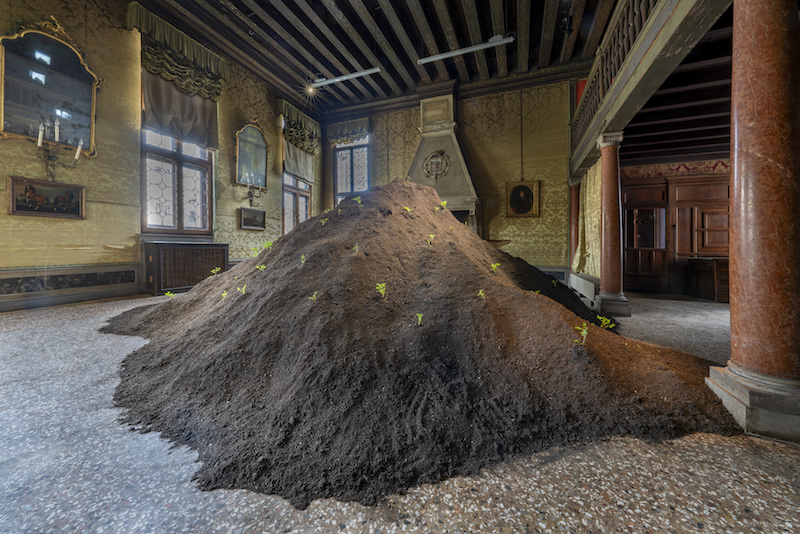
Old and decaying wood is a critical part of many ecosystems. Gardeners often “clean” it away because they think it looks too messy. Which makes for a fun challenge: who can make dead wood look cool? How about cute? Dare we attempt formal? Laura Fenton gives us a run down of designers doing just that. Kelly Norris put a snag in a show garden. Tama Matsuoka Wong decorated her old ashes with Shinto tassels. And a Swedish botanical garden drilled ornamental holes into a dead tree and honestly, it looks great. Have you seen other examples of old wood looking lovely? I would like to know. “Don’t throw it ‘away.’ There is no ‘away’” is the guiding tenant of Apiary Studio in PA. Their pioneering work was profiled by Margaret Roach for the NYT this week and not a moment too soon. The message is urgent: they design landscapes that keep all existing soils and materials on site while still creating stunning modern gardens. They’ve developed ways to sculpt old concrete to make it chic while edging with elegant brick patterns. We can all get better at thinking about material use and Apiary Studio has a lot to teach us. City parks are good for people. They make us less stressed, less lonely, healthier, and happier. But they’re not equitable. Asia Murphy looked at the numbers in Sacramento and found that, the more white people in a region, the more park coverage. Same thing in Cleveland. Murphy does a deep dive into the history of redlining, the health effects of greenspace, and how to begin solving the problem. First: acknowledge that racism is the reason these issues exist. Things can’t be addressed without naming them. Next: protect existing green space, like the Atlanta Forest threatened by “Cop City." Lastly: work against “green gentrification” by supporting communities before parks are built or revitalized. It’s all doable, we just need to make it happen. The Venice Biennale just wrapped and I was struck by Fatma Bucak’s piece ‘Damascus Rose.” These roses, just shoots, planted in a massive pile of soil, sit in a formal gallery and ask us to consider how they got there. Illegally, as it turns out, they were brought to Europe like so many refugees fleeing war and climate change - the same forces reducing populations of the mythic rose itself. So many lessons here on provenance, migration, and care. More on the artwork here. More on Demascus roses here. We all know that gardening makes us happier and healthier. Science is catching up and recommending that we all get even dirtier. Famed soil bacterium Mycobacterium vaccae is responsible for lowering stress and helping our immune systems to the point that fancy newspapers publish suggestions for how to play with dirt. Avant gardeners, indeed! Newsletter writers are an interesting breed. We’re often people who want to help, and occasionally people who have something to say. One of my all time faves got the NYT treatment this month: congrats Jared Barnes!! His newsletter is fantastic, if you’re not signed up yet. Also mentioned was Chris Helzer’s Prairie Ecologist, who’s piece on plant roots, I still share with abandon. Somehow absent was a link to Margaret Roach’s own newsletter, which is truly one of the very best. Plants that eventually become invasive often spend a “lag time” before figuring out how to push out other species. New research shows that about a third of invasive plant species seemed harmless when they first showed up, only to see populations explode decades, and sometimes centuries, later. Newcomers might be stuck in a tough environment, and eventually find their niche. Or they might breed a strain more vigorous than in the past. Many, sadly, respond to increasing temperatures. Average lag times are 40 years, while the longest dormant period recorded (Sycamore Maples in the UK) was 320 years. Paper here. Did you know that hummingbirds are “voracious insectivores”? It’s true. It’s how they get protein, and just one amazing fact in Jennifer Jewell’s interview with Dr. Susan Wethington of the Hummingbird Monitoring Network. Many techniques for supporting these favorite birds are discussed. Yes, I advocate for native plants. Yes, I am suspicious of GMO tech. And YES, I am going to plant glow in the dark petunias and NO ONE WILL STOP ME. The debate over mycorrhizal networks and “Mother Trees” rages on in a great new piece in Nature. Most reporters make this a “she said/she said” but Aisling Irwin lays out the discrepancy in research and messaging. Now, I am biased. I have been following this Simard/Kiers struggle for over a decade, and have developed my own personal conspiracy theory about why this is happening (and who is funding it). But my sense is that this has little to do with Doug Firs and is really about narrative. Is “nature” competitive or cooperative? Can we allow stories to be told that people can understand and pass on? And what level of agency and personhood do trees really deserve? These are the underlying arguments and they literally threaten the foundations of modern science. Thus, the drama. A wonderful book that might help shift perspectives on this is Kristin Ohlson’s Sweet in Tooth in Claw. Enjoy! Everyone cares about pollinators, but what about borers? Where is the love for parasitoids? Won’t somebody think of the leaf miners!?! As it turns out, Charley Eiseman is on it. He’s not only the author of Tracks and Signs of Insects, but also a master sleuth. He recently posted his investigation of all of the animals using Phlox paniculata, and it was literally thrilling. One flower = an entire planet of life! It’s not hard to make an ecological garden. But it is hard to make one beautiful. We’re all learning together and thank goodness for talented designers sharing what they’ve figured out. Melissa Ozawa talked to Uli Lorimer, Kelly Norris, David Godshall, Toshi Yano, Jeff Lynch, Jen Toy, and many others to catalogue favorite plant combos from all over the country. Stunning photos and helpful info here. Invertebrate news roundup: Hibernating bumblebees can survive being underwater for A FULL WEEK, a possible adaptation to flooding during winter. We’ve all seen crab spiders change color to match flowers but researchers found a species who sit on top of each other (small male on top of large female) to perfectly mimic the Hoya flowers they hunt on - cooperative camouflage! Lastly, insects are officially conscious. I know, duh. But it’s big news for researchers who use animals in experiments and who knows, might just nudge us towards ethical relationships with the world around us. There is totally a native plant BAND in California called Sage Against the Machine and I am not even joking. Their songs include bangers like “Kill Your Lawn” and “I Want to be a Native Plant.” Rage fans be warned, they’re mellow. Congratulations on making it to the end! The reward is on the best topic of all: the invisible communications of flowers and pollinators. As you recall, plants (tubes of water connected to the ground) are negatively charged. And bees (tiny balls of static flying around and rubbing things) are positive. When bees visit flowers, they shift the electrical charge of the plant, and can even read that charge before landing to determine if a visit is worthwhile. Certain flowers (Petunias) can detect the nearby charges of bees and increase their sent in response! All that is magical but old news. Researchers are now wondering if the plants might use electricity to communicate to each other as well, after an experiment to simulate bees resulted in plants passing those charge difference to each other through the ground! Could plants communicate through electricity?!? Amazing to consider!
|
The Edible Watertown Project May 1 In person, free, and open to the public I’ll be speaking for free in Watertown, Mass! Hosted by the Public Art and Culture Committee’s Edible Watertown Project, I’ll speak on techniques for gardeners hoping to increase biodiversity. You don’t need to register, just show up at the lower hearing room of the Watertown City Hall. 149 Main Street Watertown. 7:00 pm. Harvard Divinity School May 2 In person & virtual, free and open to the public Honored to speak at the Divinity School on ecological horticulture. It will be more of a conversation than a lecture. This talk asks: how do we think about designing public spaces with human and nonhuman needs in mind? Why does it matter to plant for native species? How do our horticulture choices intersect with equity and social justice? Why does thinking about community matter when thinking about land? Jamaica Kincaid & Kara Walker in conversation May 7 In person & virtual, free and open to the public Kincaid and Walker’s new book, An Encyclopedia of Gardening for Colored Children comes out next month and it promises to be incredible: Kincaid offers an ABC of the plants that define our world and reveals the often brutal history behind them, while Walker illustrates. Don’t miss them in conversation at the New York Public Library on May 7th. Ecological Gardening Summit May 8 Virtual and open to the public Thrilled to speak alongside Doug Tallamy at this virtual lecture on ecological gardening. Hosted by TV favorite gardener, Joe Lamp’l, this summit also features Emily May from Xerces Society and Mary Phillips, Head of NWF's Garden for Wildlife. Alston Lecture at the Atlanta Botanical Garden May 14 Free, in person and open to the public I’ll be lecturing about adventures in ecological horticulture in Atlanta! It’s free. Come through! The Beth Chatto Symposium August 29 & 30 In person, virtual, and open to the public What a thrill to head to England for this special Beth Chatto Symposium. I’ll be speaking on ecological horticulture alongside Darryl Moore, Merlin Sheldrake, and Nigel Dunnett. Washington State Master Gardener Advanced Education Conference September 27 - 28 Virtual and open to the public I’ll be sharing specific techniques for ecological gardening in this fall webinar.
|
|
|
|